Lew Zhen Wei is a Senior Principal Clinical Psychologist at the Department of Clinical Psychology, Changi General Hospital. He is a recipient of MOHH Healthcare Graduate Studies Award and holds a Master of Clinical Psychology from the University of Melbourne and a Bachelor of Arts and Social Sciences (Honours) from the National University of Singapore.
With the growing focus on mental health in Singapore, the role of clinical psychologists has become increasingly vital. They not only address mental health concerns but also empower individuals to navigate life’s complexities, helping patients rediscover themselves and build resilience. Lew Zhen Wei is one such individual in this impactful profession, combining curiosity, empathy, and clinical expertise to help others and improve their quality of life.
Zhen Wei’s journey into the field was supported by the Healthcare Graduate Studies Award offered by MOH Holdings (MOHH). This scholarship is awarded to individuals passionate about joining the public healthcare sector who demonstrate academic excellence and a community spirit.
A natural listener with a keen interest in human behaviour, Zhen Wei shares what drew him to clinical psychology. “I was always curious about people and their life stories—why we think, feel, or act the way we do.” Clinical psychology allowed him to explore these questions while helping others.
A Career Built on Care
Zhen Wei began his career as a forensic psychologist, where he was involved in the rehabilitation of youths. “I truly appreciated and learnt a lot in my experience working with youths with violent and sexual offending behaviours in their rehabilitation journey,” he reflected. However, the desire to engage in psychological work within a clinical setting led him to further his studies in clinical psychology.
Through the scholarship, Zhen Wei pursued his postgraduate degree at the University of Melbourne, a pivotal milestone that equipped him with professional training. “The financial support that the scholarship provided gave me more choices in pursuing my master’s degree, including having the option to pursue my postgraduate studies overseas,” he said. It also connected him to a network of like-minded professionals and employers, ensuring a seamless transition in his career.
In his current role as a Senior Principal Clinical Psychologist at Changi General Hospital, Zhen Wei wears many hats. He conducts individual and group therapy for patients with various mental health conditions, administers neuropsychological assessments, and also conducts workshops and talks to engage CGH staff, schools, and members of the public in the community.
From Challenges to Change
The impact of Zhen Wei’s work is both profound and rewarding. He recalls moments in therapy when patients faced and resolved deeply entrenched emotions, transforming their relationships with themselves and others. “It is both fulfilling and a privilege to witness patients in therapy courageously face and work through unresolved, threatening feelings, and transform the ways they respond to themselves and others,” he said.
One particular breakthrough stands out: a patient who had been harshly judging himself for his anger towards loved ones worked through these emotions in therapy, and eventually embraced compassion and healing. These moments reaffirm the importance of his work and the value of mental health care.
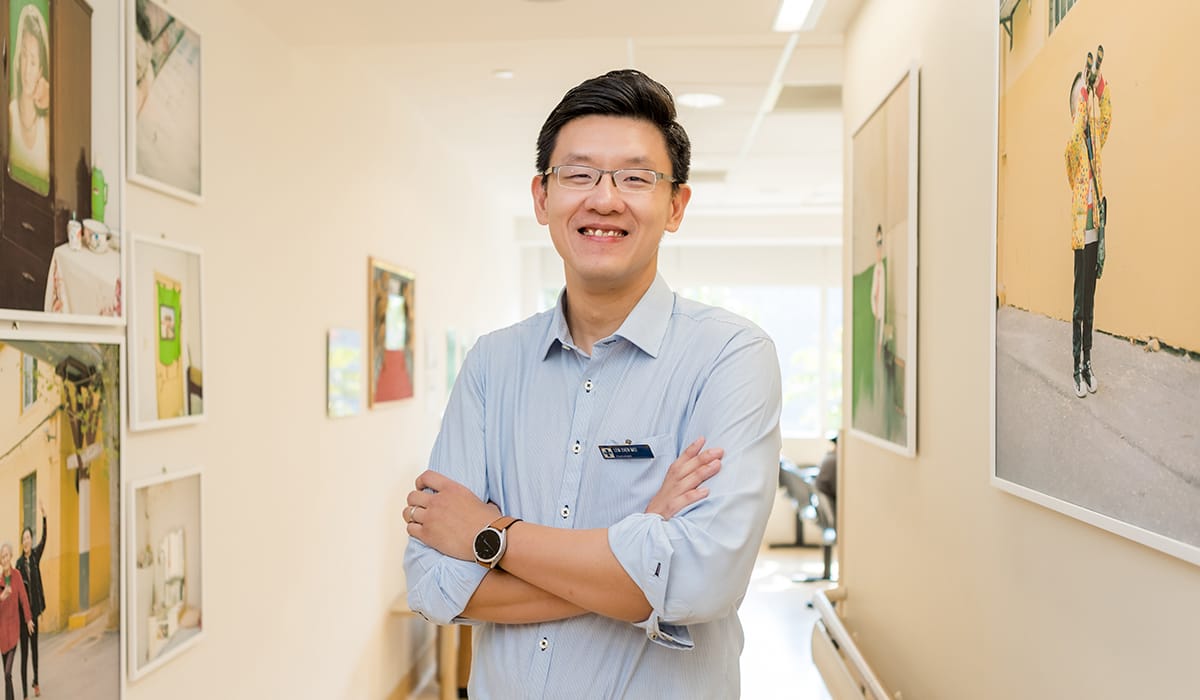
Lew Zhen Wei
Aspiring for Greater Impact
As he looks ahead, Zhen Wei is committed to guiding and nurturing future generations of mental health care professionals. Through conducting supervision and training for interns and new psychologists, Zhen Wei’s leadership and active role in training and education ensures that the next generation of psychologists is well-prepared to meet the mental health and wellness needs of the community. He also hopes to spark greater interest in psychodynamic thinking, which explores an individual’s unconscious processes and relational patterns.
His vision includes addressing gaps and challenges in the mental health landscape in Singapore, envisioning a future where mental health services are more accessible and where public awareness about psychological well-being continues to grow. “It is encouraging to see that on a national level, there are plans to increase the number of psychologists in public healthcare and continue engaging and educating the public on psychology work and services,” he noted.
He also hopes for the continued development and establishment of a formal governing body for psychology in Singapore. These aspirations align with the nation’s goals to enhance mental health care quality and accessibility.
For those considering a career in psychology or the healthcare sector, Zhen Wei offers timeless advice: “Be open to learning, new experiences, and challenges. Let yourself be curious and reflect on your experiences with honesty so you can grow and appreciate the journey. Lastly, always respect the dignity of the people we work with and serve.”