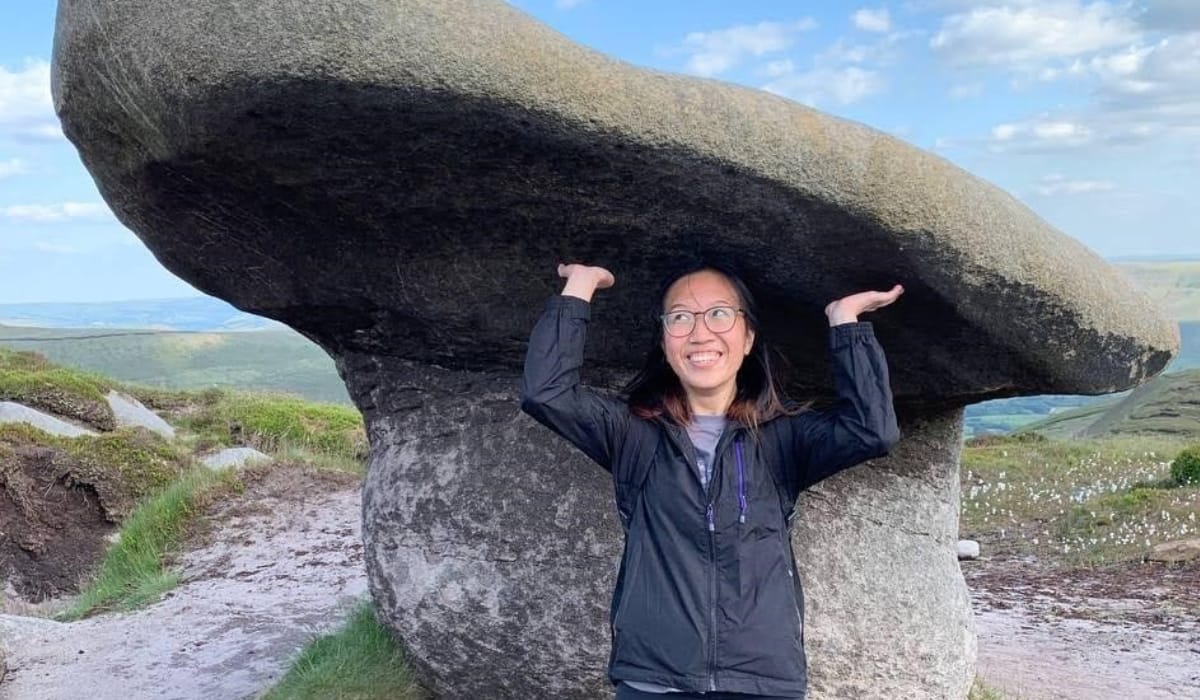
Ong Ray Yi is a recipient of the PSC Scholarship (Engineering) – Defence and Security and holds a Master of Engineering in Engineering from the University of Cambridge. She is currently a Senior Engineer at DSTA’s Cybersecurity Programme Centre.
What starts as a simple curiosity can quickly transform into a powerful sense of purpose. For Ong Ray Yi, her love for math and science steered her towards engineering, where she saw endless possibilities for creating innovative solutions. Yet, it wasn’t until she gained firsthand experience in the field that she realised how her skills could be applied to something greater: fortifying our nation’s defence.
Now as a Senior Engineer at DSTA’s Cybersecurity Programme Centre, Ray Yi plays a crucial role in strengthening Singapore’s digital defences, staying ahead of emerging threats to protect the nation from potential attacks. As she completes her four-year posting at DSTA and prepares for her two-year rotation at MINDEF, Ray Yi reflects on her journey.
What got you interested in engineering?
My interest in engineering stemmed from my curiosity about math and science. I especially liked reading books and watching videos on modern physics, and I also enjoyed listening to my father share about his work in display technology. AI, control systems, and bioengineering modules deepened my appreciation for how engineering can create systems that revolutionise the way humans operate, with examples ranging from autonomous vehicles to medical imaging solutions.
What motivated you to go for the PSC Scholarship (Engineering) – Defence and Security with DSTA?
I was interested in exploring two different types of work: technical work to gain hands-on experience in engineering development and technical assessment, as well as policy work to shape how Singapore adopts technology at a high level. The PSC Scholarship (Engineering) offered that opportunity, starting with a technical stint for the first four years, followed by a rotation to a strategy role in areas such as masterplanning and policy for the next two years.
I then decided to join the Defence sector because of my positive experiences during internships at DSTA with their C3 Development and Cybersecurity programme centres. I was exposed to a wide variety of interesting engineering fields, ranging from low bandwidth communications using mesh devices for ground troops deployment to cyber threat intelligence. The variety of work in the Defence sector intrigued me, and each problem posed a unique challenge.
What forms of support have you received through the scholarship?
The scholarship enabled me to study overseas where I gained exposure to both the academic culture and research, as well as industry experience in the UK. Additionally, it has given me opportunities to attend courses and talks, where I’ve learnt about different branches of the government, the issues they tackle and policy considerations. I also had the chance to meet people who work there.
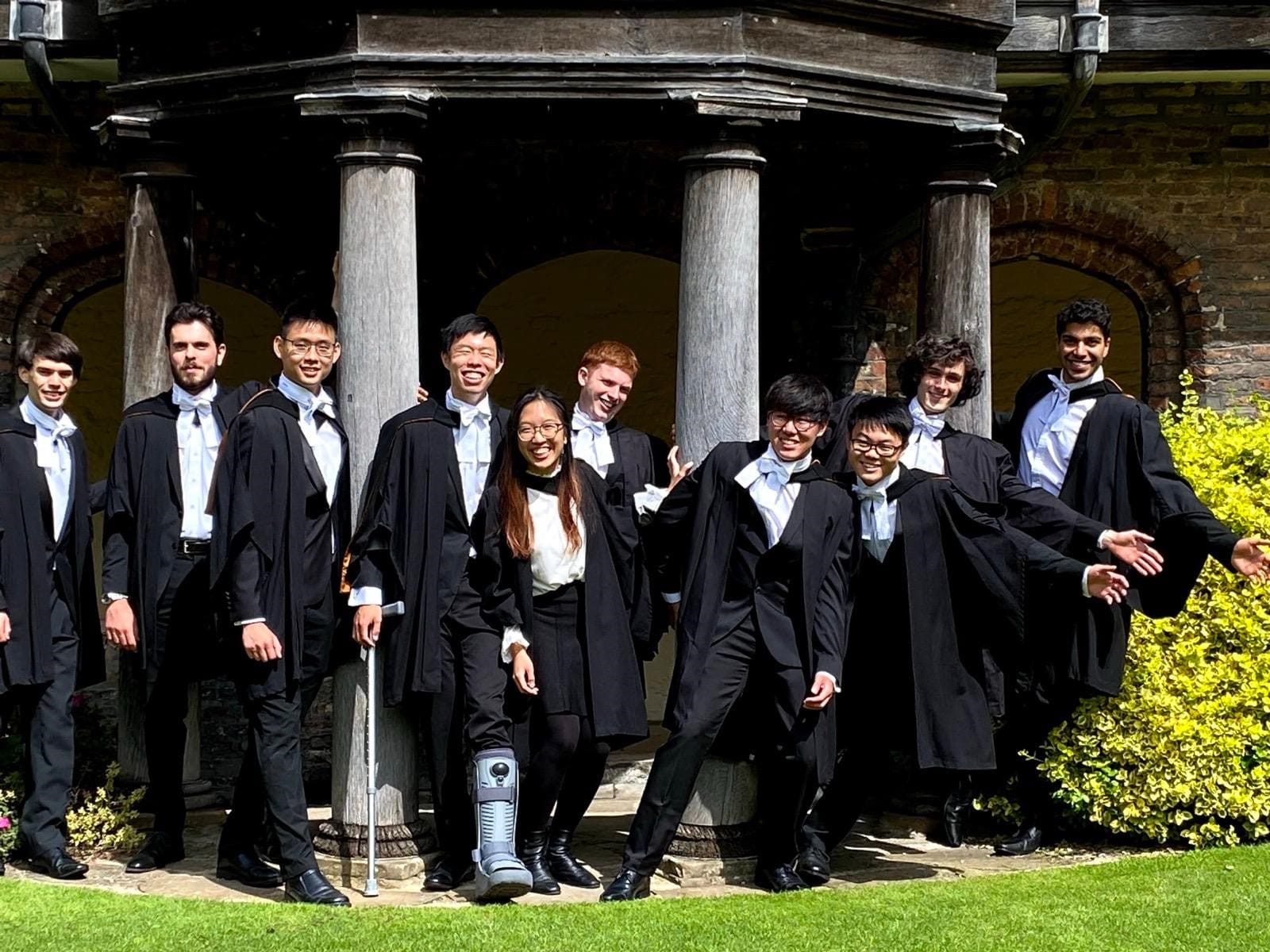
Ray Yi at her university graduation
What are your key responsibilities as a Senior Engineer at the Cybersecurity Programme Centre?
I work in the Cyber Threat Intelligence (CTI) team in DSTA’s Cybersecurity Programme Centre, where I help to establish and realise new Research and Development (R&D) projects for CTI use-cases. I’m currently focusing on threat prioritisation from various telemetries, as well as attacker attribution. I also explore the use of new data sources to enrich the threat intelligence picture and develop new algorithms and tools to make sense of data. In addition, I established collaborations with commercial tech firms, leveraging their specialised competencies and data to accelerate co-development.
Could you share a memorable experience you’ve had in DSTA so far?
I am very grateful to my colleagues in the Cybersecurity department, with whom I do sports, play escape rooms, and sing karaoke. It might sound clichéd, but these little interactions outside of work have formed some of my most memorable experiences at DSTA.

Ray Yi (third from left) on a cycling session with her colleagues
How has DSTA helped you grow, both personally and professionally?
At DSTA, I have been given a mix of opportunities to take up a variety of tasks, from project management and procurement to technical development and assessment. My supervisors are always ready to mentor and guide, but also give me plenty of freedom to chart the direction of projects I’m involved in. This has helped me to be more independent in my work, and allowed me to really grow both personally and professionally.
What’s something you’re aiming to accomplish in your career at DSTA?
I am coming to the end of my four-year stint at DSTA, before I rotate to MINDEF. At the start, I had hoped to develop new tools to improve how CTI and threat defence operations are carried out. Looking back, I believe the R&D projects I’ve worked on have made an impact, whether by automating the analysis of threats from the Deep and Dark Web or building up capabilities for threat attribution. I look forward to continuing to work towards this goal of endless possibilities!
Any advice for students interested in a career in public service?
Internships are useful for understanding the nature of work in public service. Internships done outside of the public sector can also help to broaden your perspective and expose you to a wide variety of innovative ideas being developed in different fields.