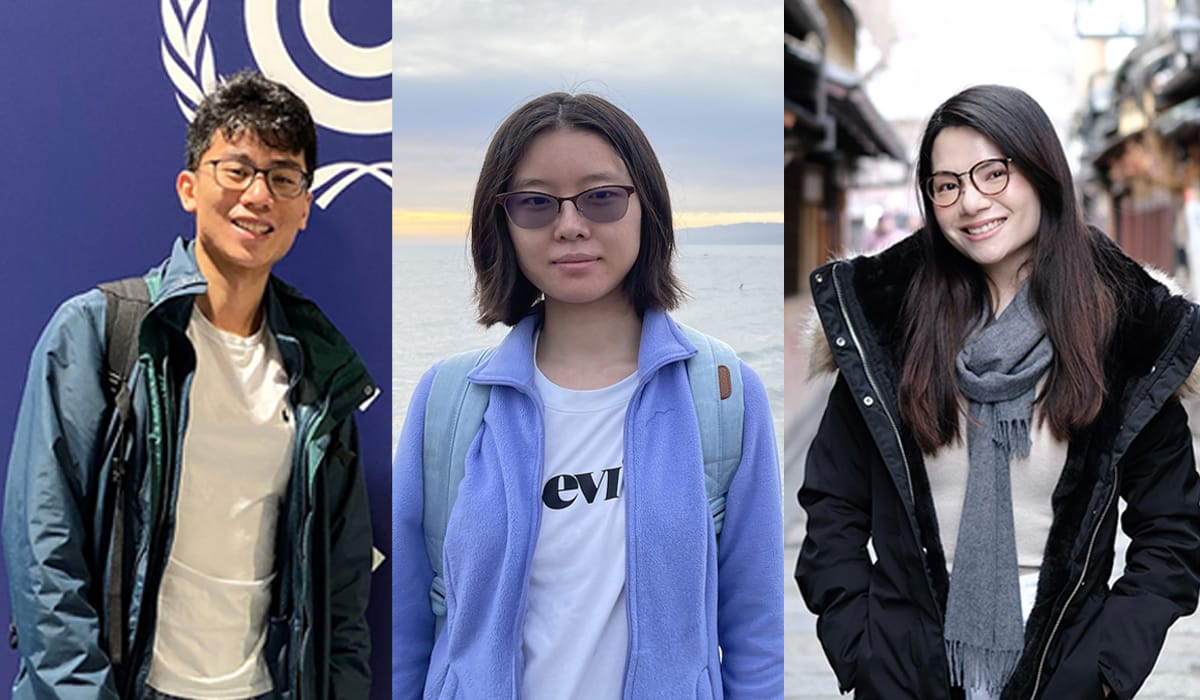
Left: Alvin Chan is a Manager in the International Relations and Outreach Department at Meteorological Service Singapore, under NEA. He is a recipient of the Singapore Sustainability Scholarship and holds a Bachelor of Science in Geography from University College London and a Master of Science in Environmental Change and Management from the University of Oxford.
Middle: Doris Qian is an Engineer in the Water Supply (Plants) Department at Tuas South Desalination Plant at PUB, Singapore’s National Water Agency. She is a recipient of the Singapore Sustainability Scholarship and holds a Bachelor of Science in Electrical Engineering from Columbia University.
Right: Samantha Wong is a Manager in the Operations Management Department at SFA. She graduated with a Bachelor of Science (Food Science) and Nutrition and a Master of Food Science and Technology from the University of Queensland and is a recipient of the Singapore Sustainability Scholarship.
As the realities of climate change become more pressing, the need for passionate changemakers has never been clearer. The Singapore Sustainability Scholarship (SSS), a joint initiative by the National Environment Agency (NEA), PUB, Singapore’s National Water Agency, and the Singapore Food Agency (SFA), is empowering the next generation to take on this mission.
Among those rising to the challenge are SSS Scholars Alvin Chan, Doris Qian, and Samantha Wong, who are turning their passion into purpose through their roles at NEA, PUB, and SFA.
From shaping policy to enhancing water resilience and ensuring food security, they share how they’re building a more sustainable future for Singapore.
What got you interested in your field of work?
Alvin: I have always been fascinated by the natural world and why landscapes look the way they do today. This curiosity deepened during my first year at University College London, when I took modules on environmental change.
It was through these modules that I was introduced to the concept of the Anthropocene, a time period where human activity was the dominant influence on the environment. That shifted my perspective as I realised the magnitude of society’s collective actions on Earth. With this realisation, I became determined to better understand the relationship between anthropogenic activities and the natural environment, and to explore how we can move towards a more sustainable way of living on this planet.
Doris: Since young, I have been interested in climate change and our efforts to combat it. In secondary school, I took part in a science project under Nanyang Technological University that explored how two yeast species accumulate lipids. We studied their ability to consume industrial waste oil and convert it into stored fatty acids, which could then be used as feedstock for biodiesel. That experience made me realise the importance of research and incorporating novel technologies in sustainability efforts. I found it very interesting and meaningful to work on new technologies to improve sustainability.
Samantha: What began as an interest in sports and physical activity led to a fascination with how diet and lifestyle choices affect our health and performance. As I explored these connections, I began to see food through a wider lens—not just in terms of its individual health role, but also its role in public health and community welfare. This shift in perspective opened my eyes to crucial questions: How do we ensure our food is safe? How can we secure a stable and reliable food supply for Singapore?
These questions led me to explore the regulatory and policy aspects of food systems. Today, working in public service allows me to contribute to strengthening Singapore’s food safety and security framework—doing meaningful work that directly impacts people’s lives.
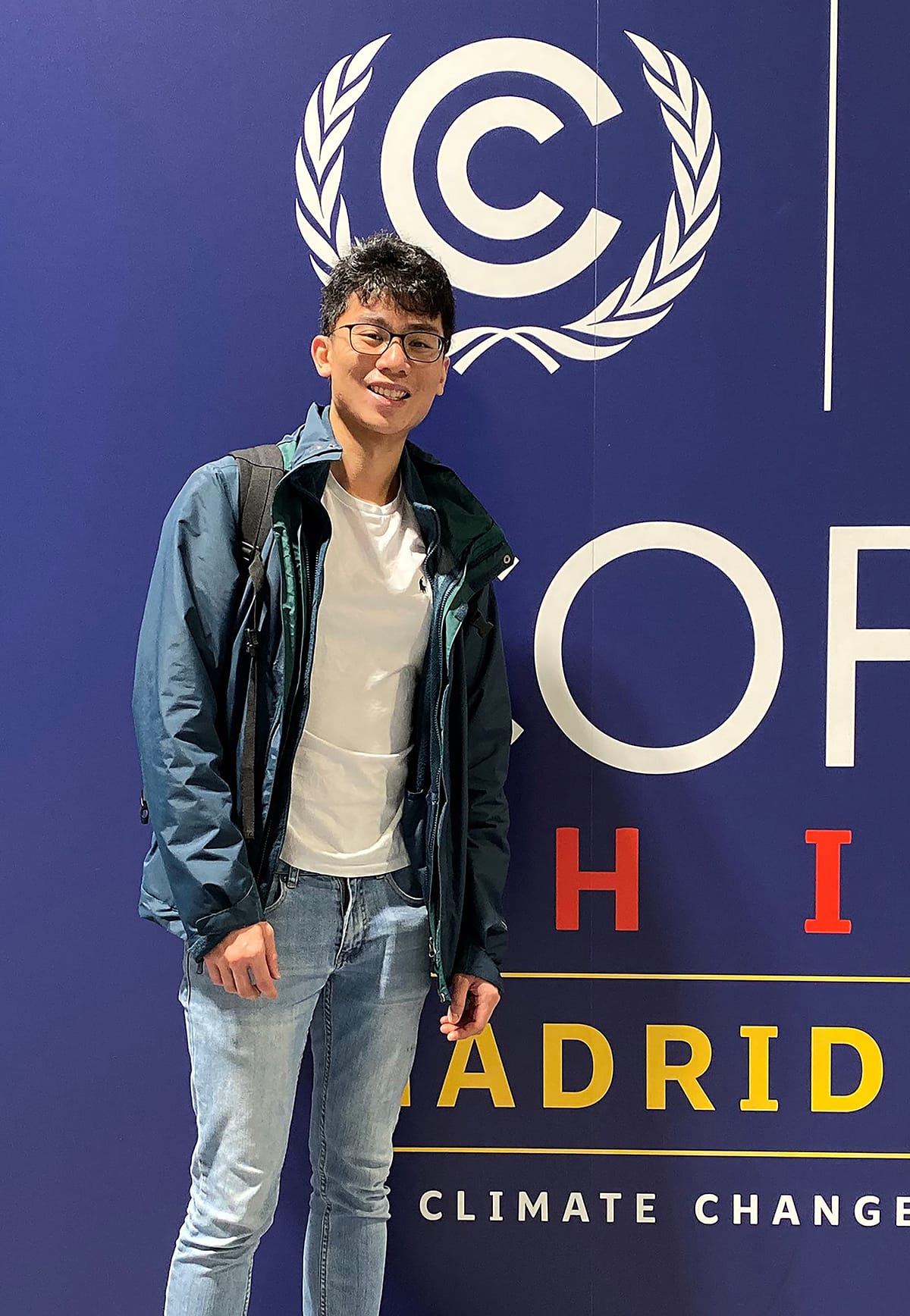
Alvin Chan
Alvin and Samantha, how has the scholarship fuelled your passion for sustainability?
Alvin: It has given me the opportunity to learn while contributing meaningfully to Singapore’s sustainability journey and to be at the forefront of efforts to drive lasting changes.
A notable example was in 2019. With NEA’s support, I had the opportunity to attend the 2019 United Nations Climate Change Conference (COP25) in Madrid, Spain. NEA connected me with NUS to obtain an observer badge and funded my travel, allowing me to witness firsthand how international climate negotiations unfolded. It was eye-opening to see how stakeholders from governments, academia, and civil society with different agendas and interests interacted with one another to shape the global climate agenda. Opportunities like this were only made possible because of the generous support provided through the scholarship.
Samantha: This scholarship represents an opportunity to transform this passion into meaningful action by leveraging my comprehensive food science background to drive greater impact in food safety. With the expertise and skills gained, I aim to help drive efforts to accelerate Singapore’s transformation towards greater food self-sufficiency while strengthening our food safety framework.
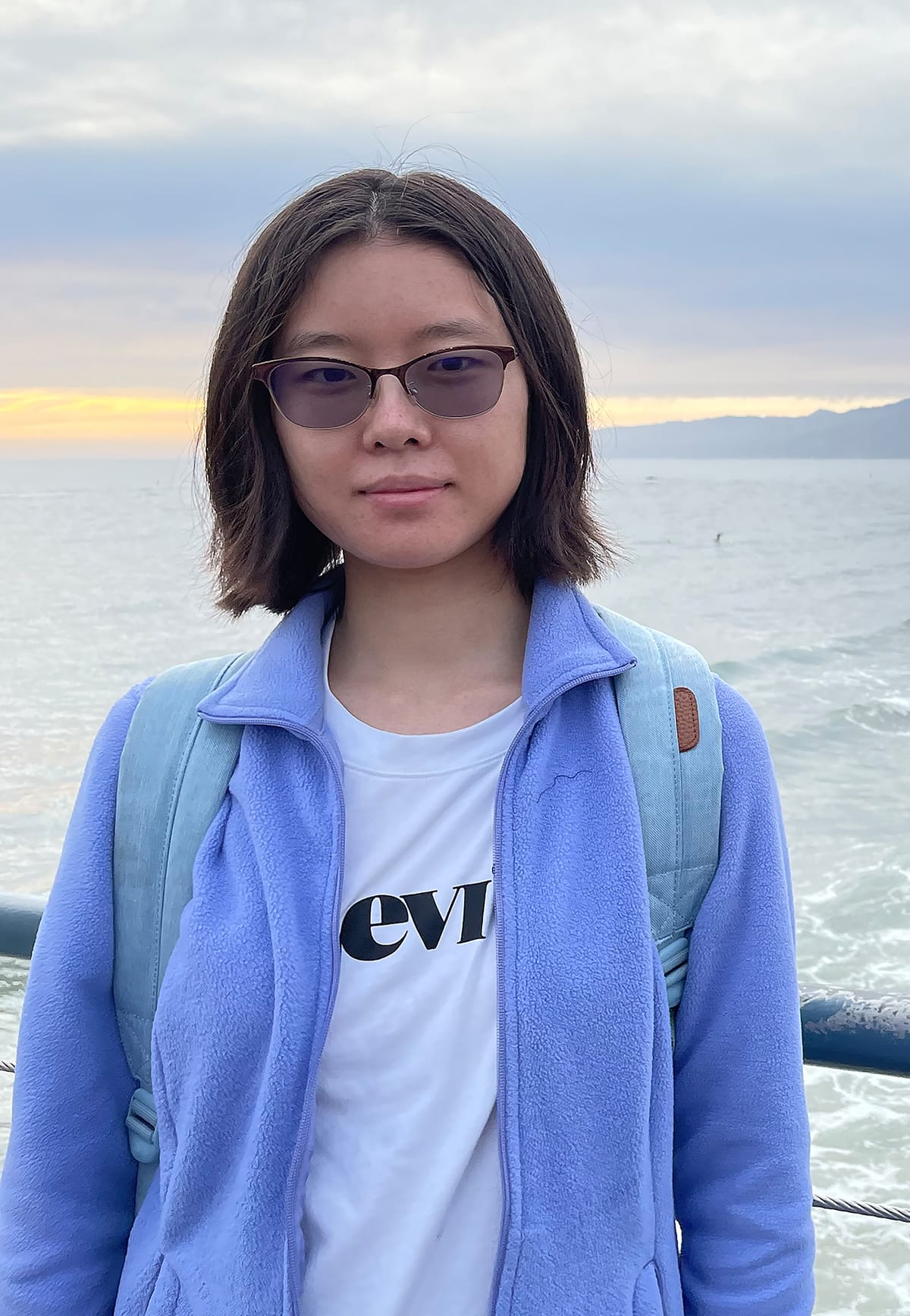
Doris Qian
What about you Doris, how has the scholarship shaped your growth?
The scholarship sponsored my studies overseas, allowing me to live on my own in a completely different environment. It resulted in significant personal growth and widened my horizons, as I experienced the different academics, culture, lifestyle, and beliefs of the USA.
Professionally, the scholarship allowed me to apply the skills I have gained in my studies to a meaningful cause. I was able to work in an area I am interested in and gain real-world engineering experience right after graduation.
This sounds fascinating! Can you take us through a typical day in your role?
Alvin: I am part of the International Affairs Branch of the Meteorological Service Singapore (MSS), under NEA. I support the strategic planning, implementation, and review of MSS’s international and regional engagements. I have represented MSS at multilateral platforms and international meetings, advocating for our key interests and helping to shape our approach to meteorological and climate-related issues.
An important part of my work involves identifying opportunities to strengthen collaboration with strategic partners at both regional and global levels, forging meaningful partnerships that enhance our collective resilience.
Doris: I’m currently an electrical engineer at Tuas South Desalination Plant (TSDP), in the Water Supply Plants department. I am involved in the procurement process, evaluating quotations and tenders for our plant or the department. I am also involved in managing electrical-related projects to improve the operational reliability of our plant. One project I am involved in is the installation of a solar power system at TSDP.
Samantha: My current role in the Operations Management Department involves overseeing food safety operations involving food imports. This includes developing and reviewing operational procedures, managing food safety inspection operations, and implementing food safety controls. I also oversee product recalls and coordinate targeted operations to ensure food imported into Singapore is safe for consumption.
Samantha, how have your Bachelor’s and Master’s in Food Science prepared you for the work you do at SFA?
I gained strong foundations in food science, food technology, and nutrition. My education exposed me to broader aspects of food systems, policies, and population health. This comprehensive understanding is valuable in my current operational role in SFA, where I need to consider both technical and systemic implications. My technical knowledge helps me manage food safety risks and evaluate control measures, while my broader understanding of food policies and public health helps me appreciate the wider impact of our work.
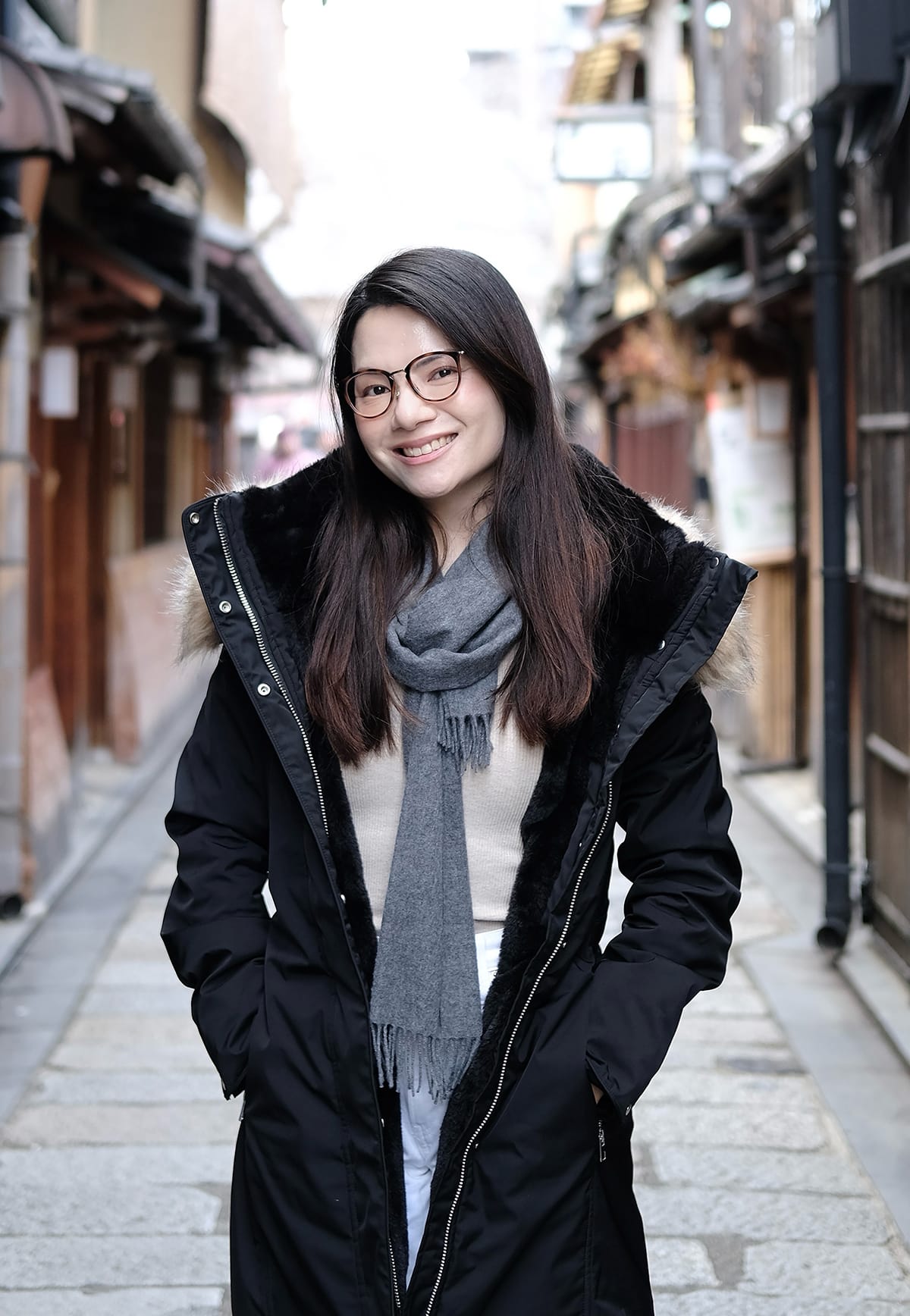
Samantha Wong
Alvin, what’s been the most rewarding moment in your career so far?
One of the most memorable moments that stand out in my career was being part of Singapore’s COVID-19 response during my time in the Hawker Centres Group and receiving the Commendation Medal and the COVID-19 Resilience Medal.
Those were incredibly challenging and uncertain times. There was no clear playbook, only the shared understanding that we had to do everything we could to support our hawkers and help them emerge stronger. During that period, I had the privilege of working with colleagues across different agencies, as well as with various teams at NEA. We had to move quickly and coordinate closely to implement safe distancing measures throughout the pandemic, conduct testing, and carry out disinfection operations across our hawker centres. Looking back, it was this spirit of dedication and shared purpose across the Public Service that enabled us to overcome the crisis. I am grateful for the valuable life lessons I gained from that experience.
Any final words of advice for prospective scholars, Doris?
Prospective scholars can look forward to using your technical knowledge to contribute to a meaningful cause. You will have the opportunity to work in new environments, face different challenges, and learn from experienced people.
Follow your passion and try to do something you enjoy!