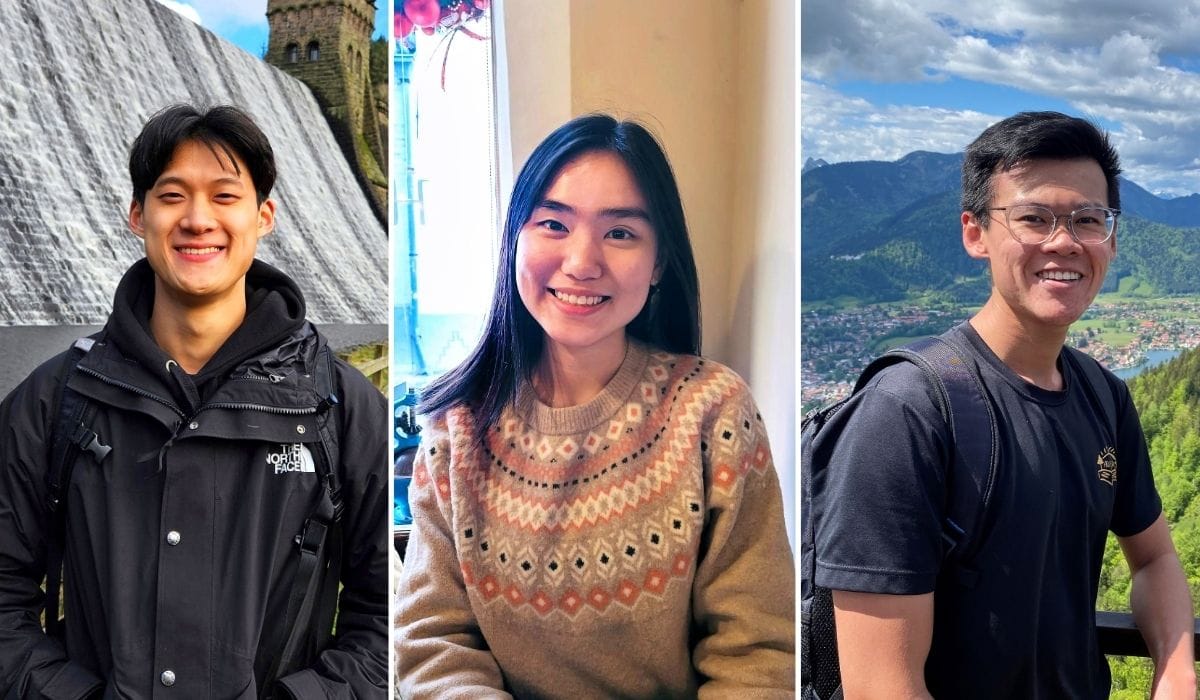
Nicholas Teo, Huang Ruiyue, and Ryan Low
We often think of climate change as a distant concern — something that happens elsewhere or far into the future. But rising temperatures, extreme weather, and shifts in food and water systems are already affecting lives around the world. Addressing these challenges takes more than knowledge; it takes curiosity, creativity, and courage to act.
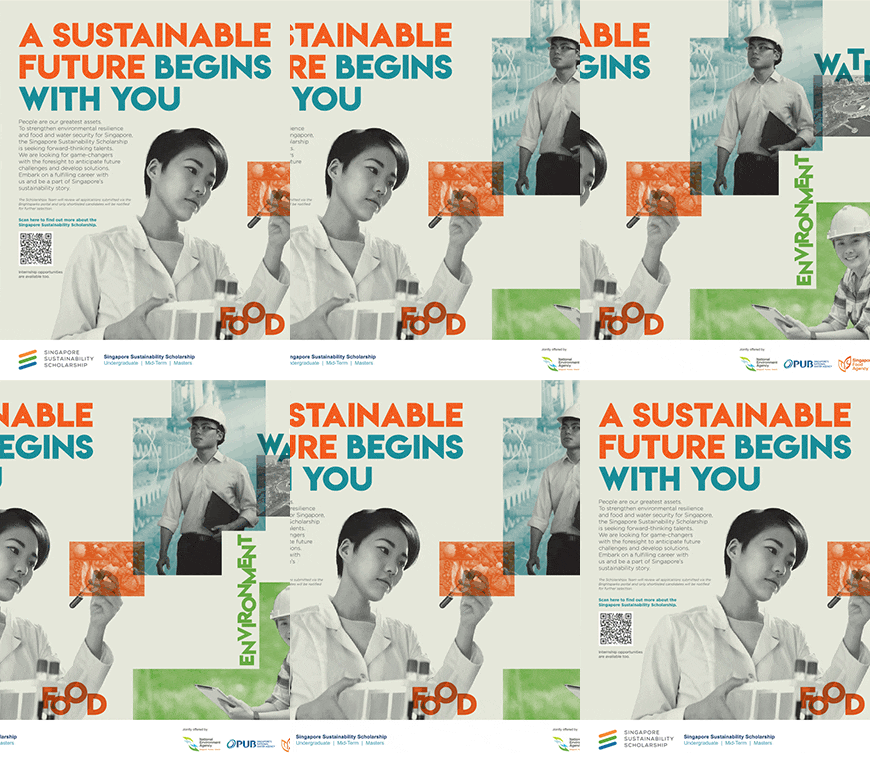
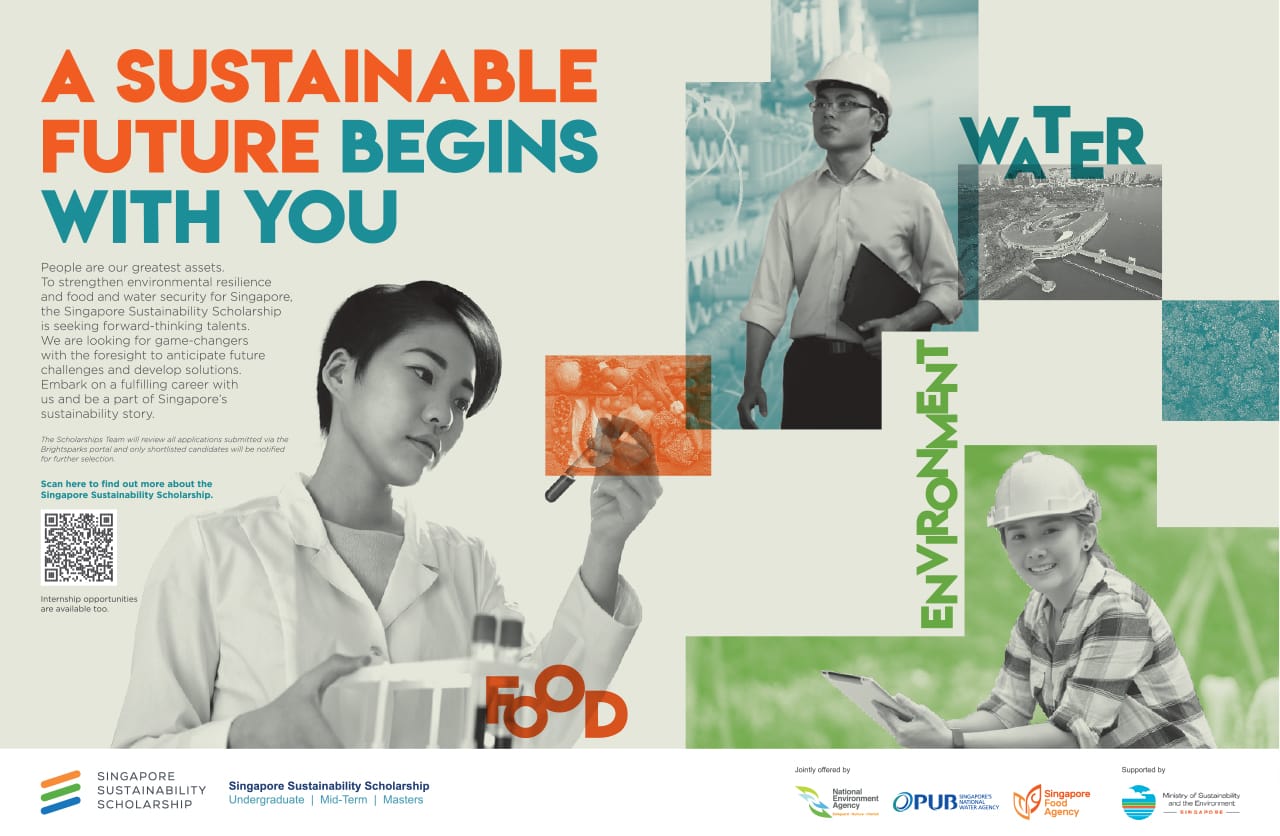
That’s exactly what Nicholas Teo, Huang Ruiyue, and Ryan Low are doing. Through the Singapore Sustainability Scholarship (SSS), offered jointly by the National Environment Agency (NEA), PUB, Singapore’s National Water Agency, and the Singapore Food Agency (SFA), they are developing the skills and experience needed to tackle pressing environmental, water, and food challenges. After graduation, SSS scholars embark on careers with these agencies, contributing to initiatives such as climate action, energy efficiency, water management, and food safety. Beyond technical skills, the scholarship nurtures the personal drive to create meaningful impact.
With a year of experience under his belt, Nicholas works as an Assistant Manager in NEA’s Transformation Department, Ruiyue is a Planner in PUB’s Coastal Protection Department, and Ryan is pursuing his master’s in food science at Cornell University before joining SFA.
We spoke with Nicholas, Ruiyue, and Ryan to learn about the inspiring moments and experiences that have shaped their paths in sustainability so far.
What first sparked your interest in your respective fields?
Nicholas: Since I was young, I’ve always been fond of nature, enjoying hobbies like gardening and keeping aquariums. I found joy in nurturing living things and watching them thrive, which naturally drew me to a career connected to the natural world. What truly set me on this path were documentaries on the Earth and its ecosystems on National Geographic and Animal Planet. Seeing how human activities harm the planet and hearing the call for young people to take action made everything click, and I set my heart on a career in the environment sector.
Ruiyue: My interest in the water sector started back in secondary school when I took part in the NUS Geography Challenge. The theme was ‘Water in Our World: Managing Flows in Nature and Society’. We visited key water infrastructures like the NEWater factory and learned about Singapore’s water story. That experience really stayed with me and got me interested in how we manage this precious resource.
Ryan: It might sound strange, but something about spoiled food has always intrigued me! My friends often joke that I have a keen eye and an unusually sharp nose — I can detect off-flavours and spot signs of mould growth in food before anyone else notices. Whenever I encounter spoiled food, I find myself constantly wondering about the science behind it all: What’s happening here? What microbes are at work? Was it simply past its best-by date, or did improper food handling play a role? What are the potential health risks? This fascination ultimately led me to pursue food science as a career.
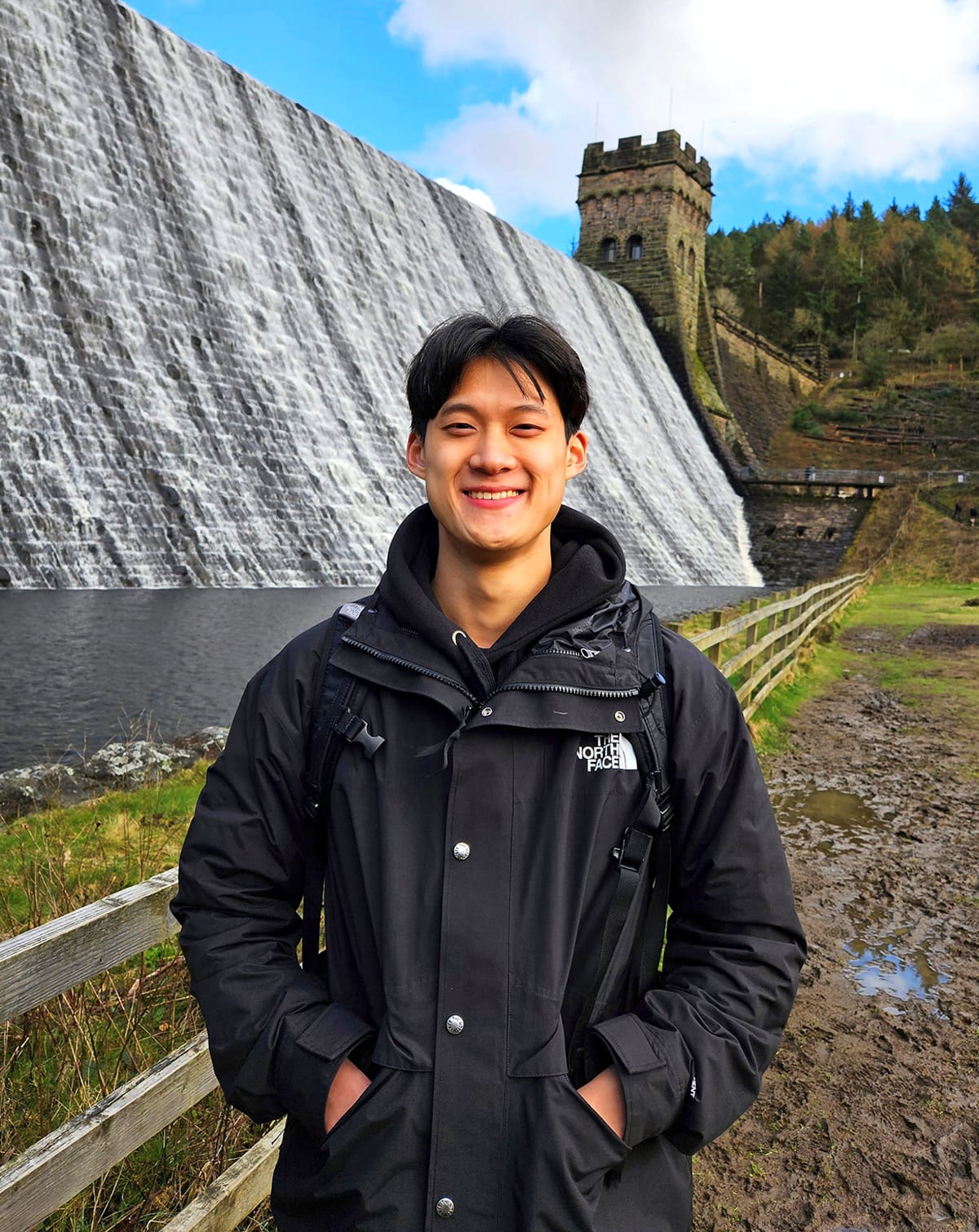
Nicholas Teo
Nicholas, how did you first discover the Singapore Sustainability Scholarship, and why did it feel like the right fit?
It was luck, really. In my second year, I was chatting with a friend about internships when we stumbled on the scholarship page on NEA’s website. I knew it was a good fit — it focuses on building environmental resilience and training future leaders, exactly what I wanted. Stories from past scholars online and in magazines showed me the exciting opportunities at NEA and convinced me this was the perfect way to kickstart my environmental career.
Ruiyue, what drew you to civil engineering, and how have your studies helped in your work?
I’ve always been fascinated by the built environment, and Physics was my strongest subject, so civil engineering felt natural. In my third year, I took a coastal engineering elective and went on a field trip to a UK coastal town to study their protection measures. It really helped me see how I could apply my learning to solve real-world challenges. Having that engineering background also helps me factor in technical considerations when developing coastal protection policies.
How has the scholarship helped you grow academically and personally, Ryan?
I am grateful for the learning opportunities the scholarship has offered me. Beyond the financial support for my studies, it provided access to experiences that have deepened my understanding of Singapore’s food security landscape. Through my internship with SFA and undergraduate thesis work in the Urban Food Solutions division, I had the opportunity to work alongside passionate officers who showed me the intricate collaboration required between the government and food industry to ensure Singapore’s food resilience. The scholarship also allowed me to study overseas, including a semester in Germany and now my master’s in the United States. This has allowed me to gain interesting insights into different academic approaches and regulatory environments, and how different countries address their food security challenges.
Nicholas and Ruiyue, what does a typical day look like in your roles?
Nicholas: I’m in NEA’s Transformation Department (TD), where I review processes and implement solutions to boost efficiency. We analyse current workflows, identify inefficiencies, optimise for automation, and develop tech solutions using tools like Robotic Process Automation and low-code apps. A typical day involves updating automation bots, attending team meetings, analysing stakeholder interviews, and handling user requests for new digital solutions and process improvements.
Ruiyue: I focus on drafting policies around coastal protection. Mornings are usually packed with meetings and discussions, and I spend some time after consolidating follow-ups. Afternoons are quieter — perfect for emails or prepping for upcoming meetings. No two days are the same; each brings new problems to solve and chances to improve our proposals, which keeps the work interesting.
Ryan, could you tell us about your internship with SFA?
I interned with SFA in the summer of 2022, rotating through three departments. While some may assume work in the public service is monotonous and repetitive, my internship experience proved that this is far from the truth! Across all three departments, I saw how crucial, dynamic, and people-centric SFA’s work truly is. The experience has also helped me gain valuable technical knowledge and interpersonal skills that I am confident will continue to serve me well in the future.
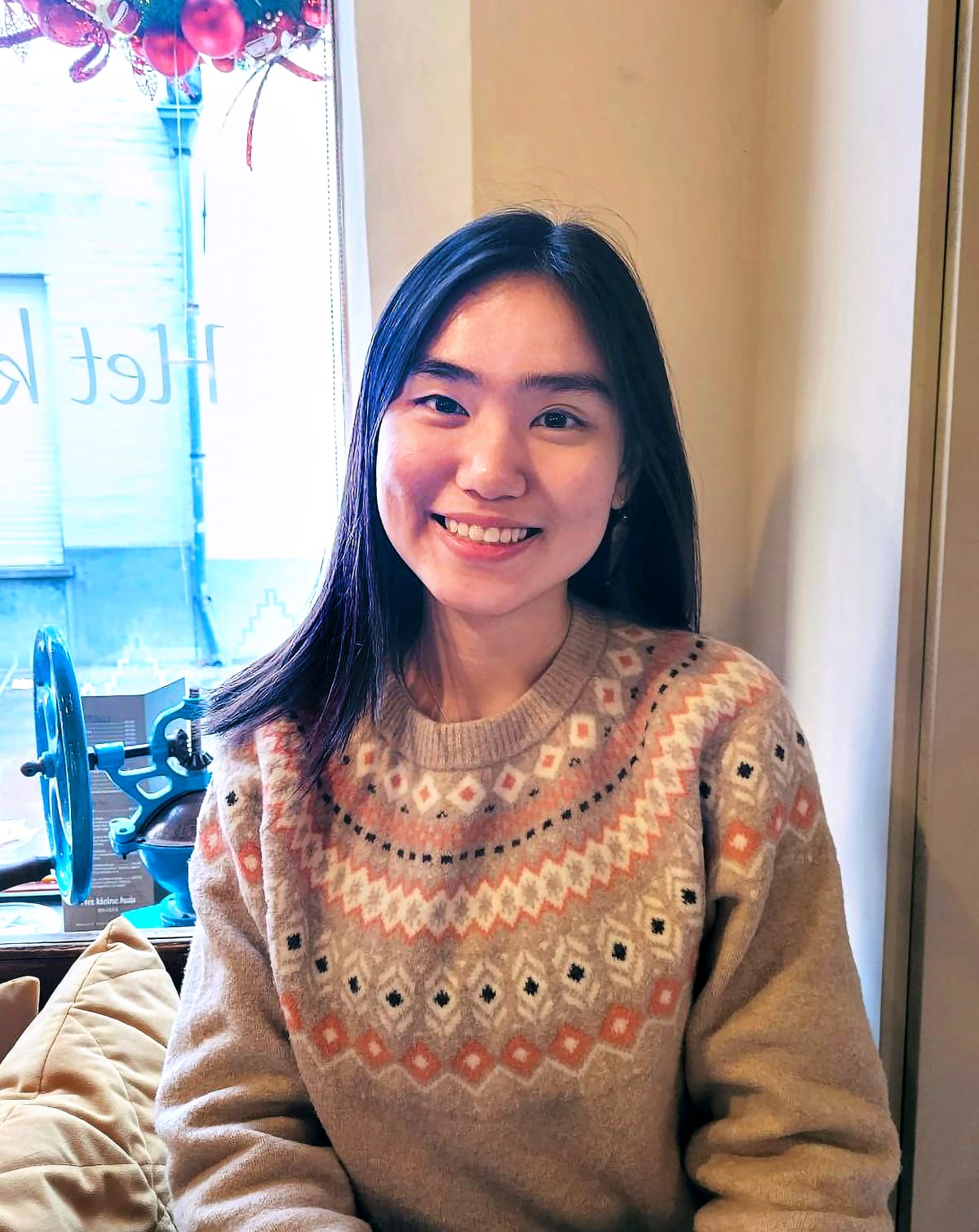
Huang Ruiyue
Any memorable projects so far, Ruiyue?
When I first joined, I worked on a project about managing coastal dams. It was complex because there were several possible approaches, each with pros and cons. I spoke to colleagues across departments to understand all perspectives before recommending a final approach. It taught me a lot about collaboration and the importance of seeing issues from different perspectives.
Nicholas, how’s your time at NEA been?
My first year has been incredible — full of diverse opportunities and supportive mentors. I’ve been given responsibilities early on, from presenting to senior leadership to leading projects, which boosted my confidence. Interacting with stakeholders, from students to elderly service workers, taught me to adapt my communication style effectively.
Ruiyue, which part of your work do you find most fulfilling?
The most rewarding moments are seeing a policy I’ve contributed to being implemented on the ground. It feels great to know that our work guides real projects and makes a difference.
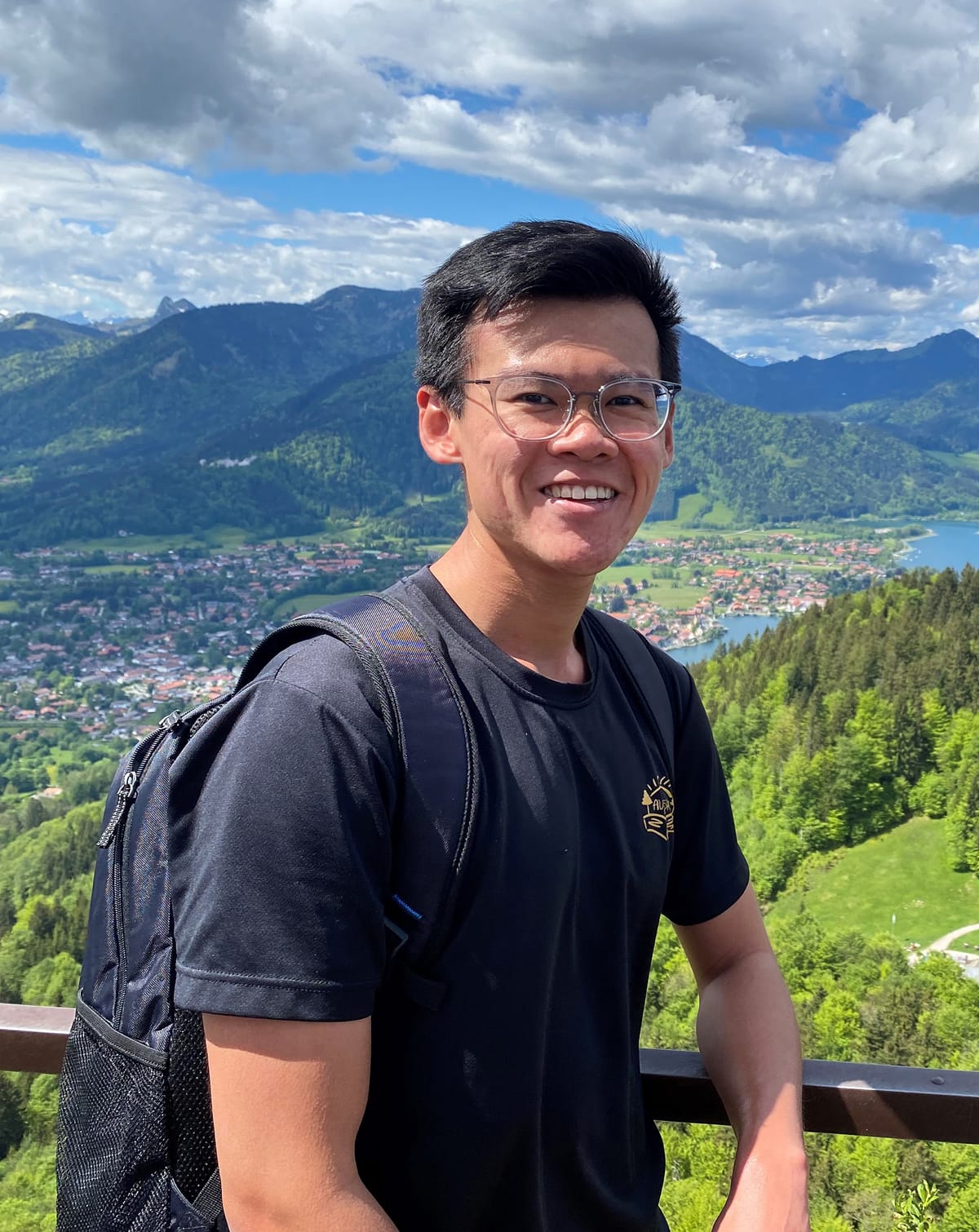
Ryan Low
What kind of impact do you hope to make at SFA, Ryan?
I want to contribute to SFA’s mission of ensuring and securing a supply of safe food for Singapore. Specifically, I hope to help develop scientific and regulatory frameworks that support innovation and advancements in the food industry, while ensuring food safety for consumers.
Nicholas, any advice for students who aspire to work in sustainability?
The sector is exciting and full of opportunities, but it’s broad — from environmental engineering to corporate ESG roles. Not every area will suit you, so explore your interests with internships, short online courses, webinars, or networking. These experiences help you discover where you fit best!
As a final tip, Ryan, what’s one simple daily habit we could all adopt to help the environment?
Skip the plastic straw when you grab your kopi peng or bubble tea. Many drinks now come with straw-free lids! It’s a small gesture, but it can spark a positive change in yourself and those around you.
Nicholas Teo
Singapore Sustainability Scholar
Assistant Manager, Transformation Department, Transformation and Standards, NEA
MSc in Environmental Data Science and Machine Learning, Imperial College London
BEng in Environmental Engineering, NUS
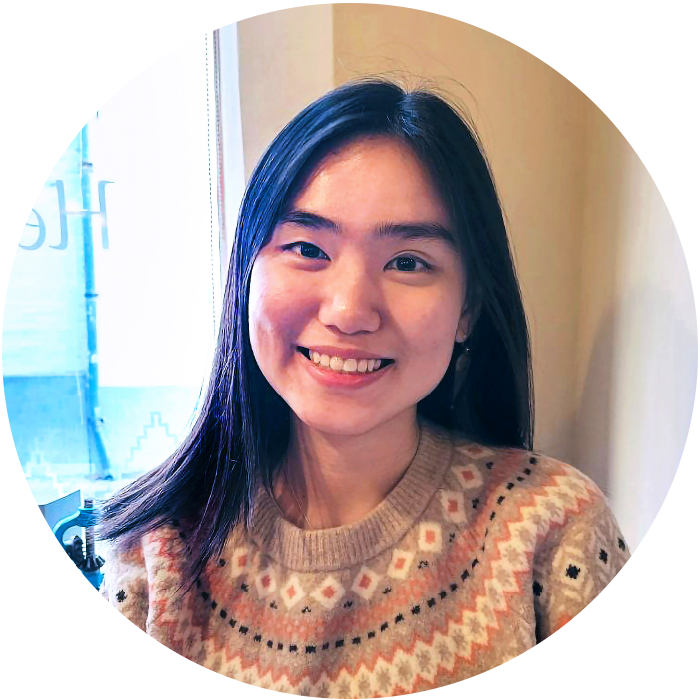
Huang Ruiyue
Singapore Sustainability Scholar
Planner, Coastal Protection Department, Policy and Regulation, PUB
MEng in Civil Engineering, Imperial College London
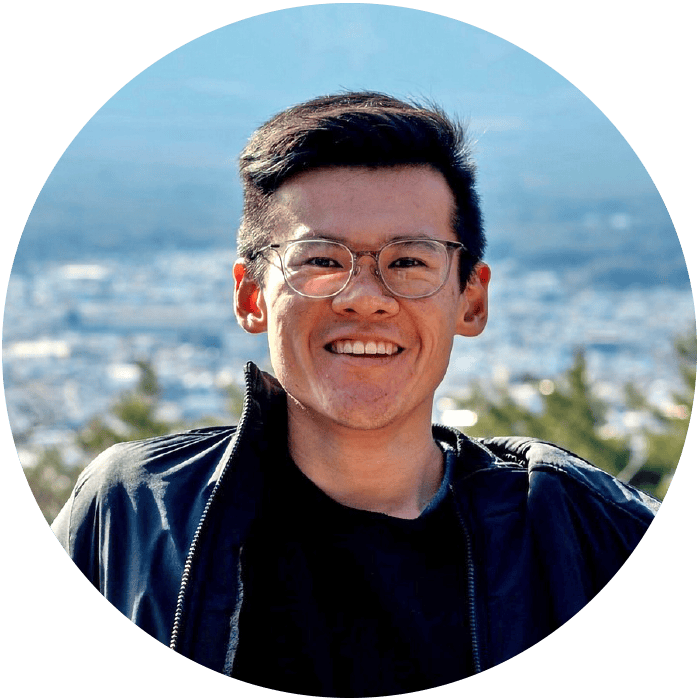
Ryan Low
Singapore Sustainability Scholar
Student
Master of Food Science, Cornell University
BSc in Life Sciences, NUS