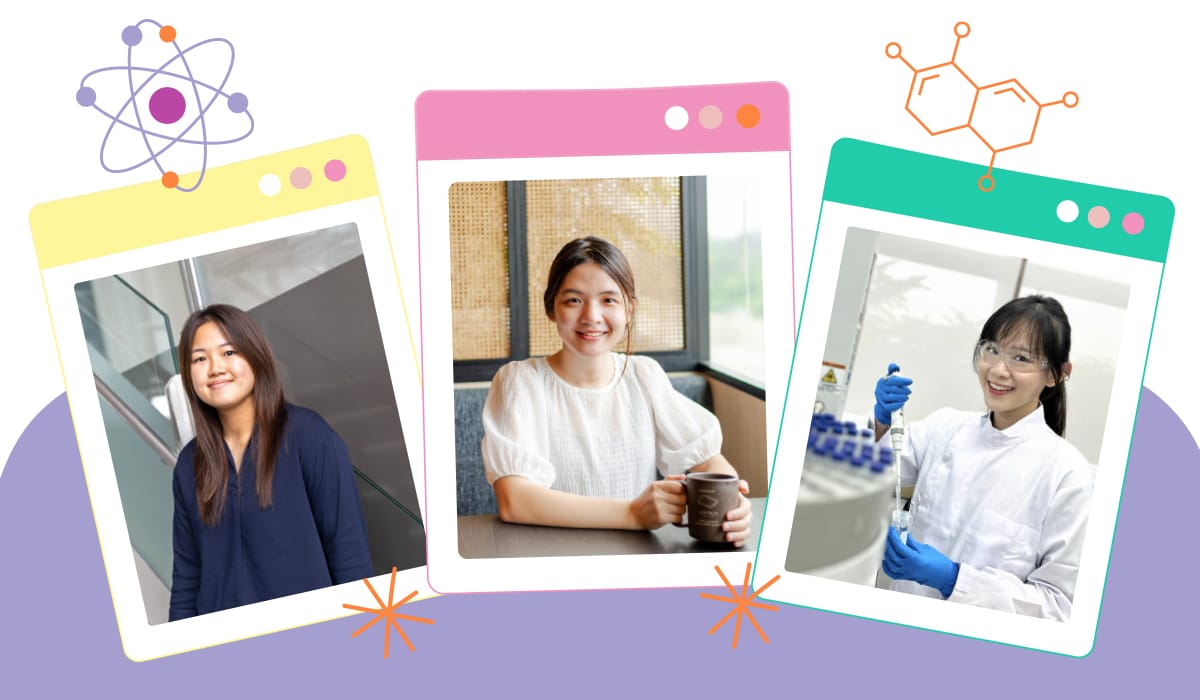
Francesca Ong, Choy Yi Jing, and Joyce Tay
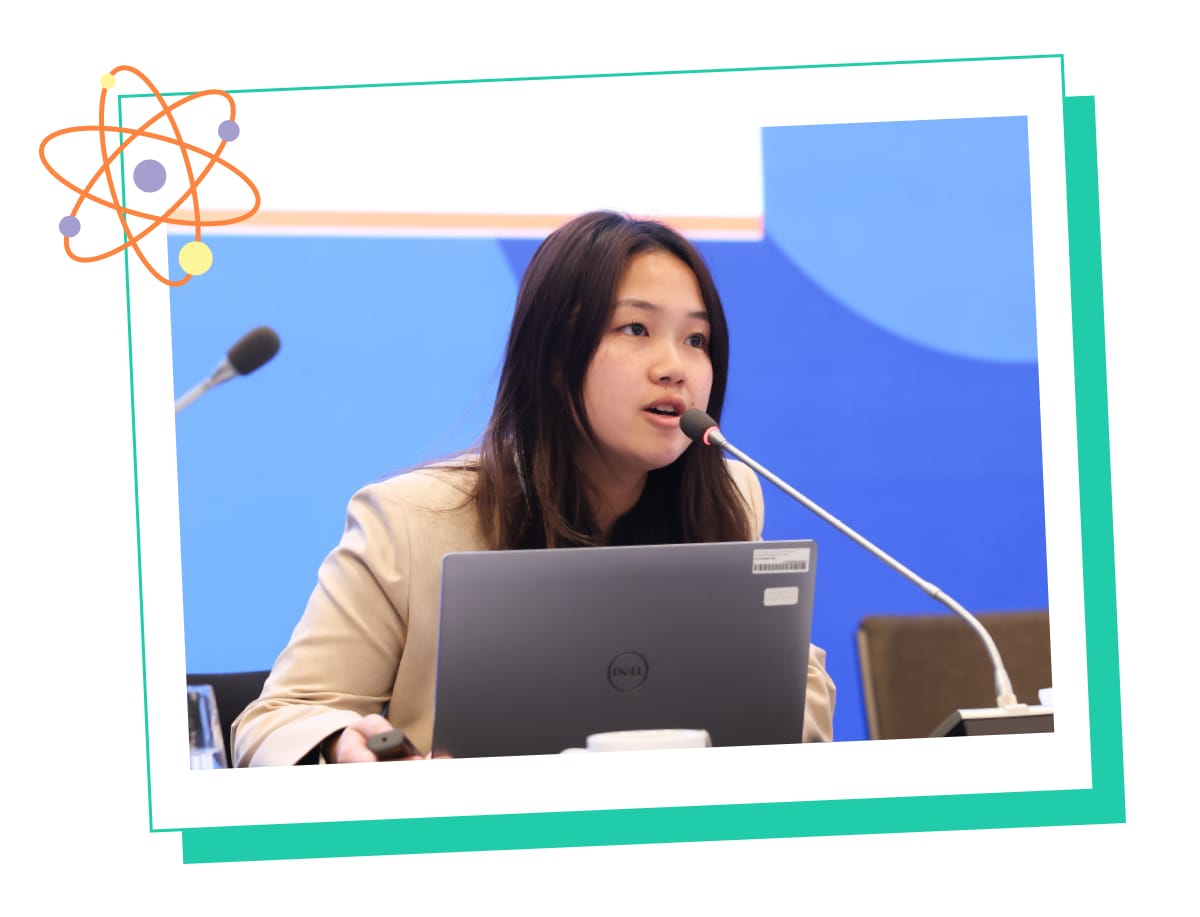
Francesca Ong is a Singapore Sustainability Scholar and a Scientist at the Singapore Food Agency.
Enabling the Safety of Food Innovations
Francesca supports the safety of novel foods in Singapore by developing guidelines, evaluating new food applications, and working closely with agencies to bring these food products safely to the market.
What first drew you to your field?
From a young age, I was drawn to biology because I could observe it in everyday life and see its real-world impact. This led me to pursue a degree in Life Sciences, where I later worked on a research project in cultivated meat. That experience brought together my interests in food and biology and inspired me to pursue a master’s in biomedical engineering. Today, that background supports my work in ensuring the safety of novel foods in Singapore and developing guidelines for their assessment, particularly for cultivated meat.
Which project or accomplishment are you most proud of?
I’m particularly proud of my involvement in developing international guidelines for novel food. As part of the Singapore delegation to the 55th session of the Codex Committee on Food Additives, we presented a new work proposal that would help lead the international food standards setting body to start developing guidelines that can strengthen regulators’ ability to ensure the safety of such new foods. Although there was a diversity of views due to different priorities for Codex members, we successfully set up an electronic working group to further develop and improve the proposal — Singapore’s first time chairing such a group at Codex. Keeping the work moving forward amidst different perspectives gave me a great sense of accomplishment.
What’s a personal strength or trait that you’ve discovered about yourself through your journey?
I discovered that I could easily see things from different perspectives and understand where people are coming from. This was surprising, as I hadn’t expected perspective-taking to be so crucial in a technical field. It developed through working with diverse stakeholders, each with their own priorities and concerns. This skill has helped me navigate challenging situations, communicate more effectively, anticipate issues before they arise, and build stronger working relationships.
What advice would you give to young women considering a career in STEM?
Follow your passion and don’t let anyone else’s expectations or doubts hold you back from pursuing the career you want. As the saying goes, you miss 100% of the shots you don’t take, so take advantage of every opportunity available and don’t fear failure.
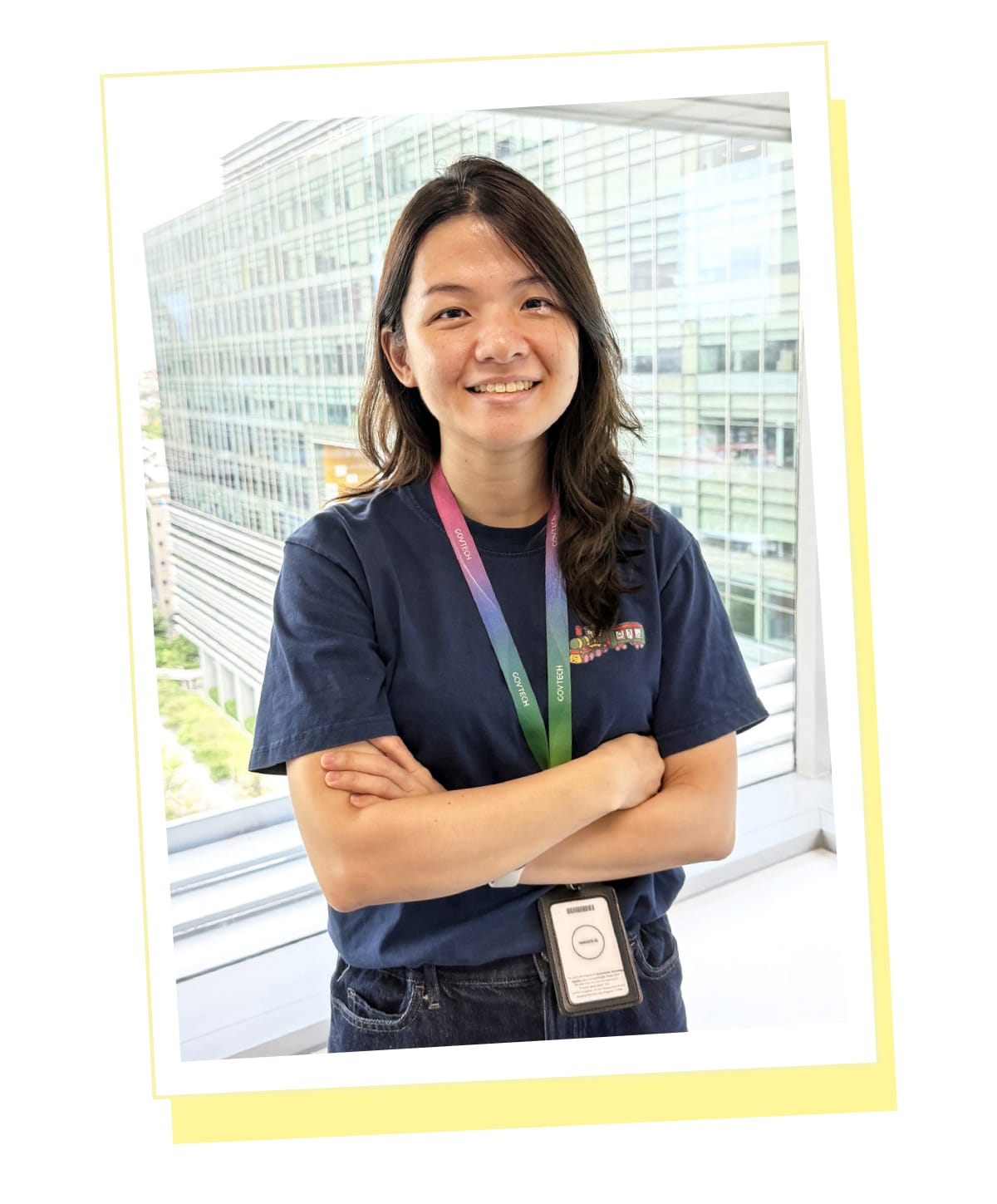
Choy Yi Jing is a Smart Nation Scholar. She is a Data Scientist at the Government Technology Agency.
Designing Tech That Changes Lives
Yi Jing applies her background in UI/UX and information systems to create technology that addresses real-world challenges, like preventing scams.
What first drew you to your field?
I’ve been exposed to design & technology since Primary 4, when I got my hands on Photoshop! Since then, I’ve always admired how well-designed and developed products can be so ingenious yet make such an impact. That curiosity shaped my interest to explore and pursue design and technology as a career.
Which project or accomplishment are you most proud of?
Uncovering a breakthrough with data! We were exploring a potential solution to proactively combat scams, and it was a tough first few months making sense of all the information we had. When patterns finally emerged, it made everything worth it and hinted at a much larger potential, fuelling our excitement and drive to go even further.
What’s a personal strength or trait you discovered through your journey?
I can be patient! Unlike personal projects or school projects, the runway of a product in work can be very long. Just bringing an idea from 0 to 1 can take almost a year of trial and error — pitching to stakeholders, refining based on feedback, and iterating again. You have to be patient to see your hard work through!
What advice would you give to young women considering a career in STEM?
Always be curious. Observe your surroundings, look at how solutions (both digital and physical) are designed, and let that inspire your own work. Find mentors and people you can learn from, and don’t be afraid to ask questions! It saves you time from doing redundant work. Your curiosity, ideas, and questions are your biggest assets!
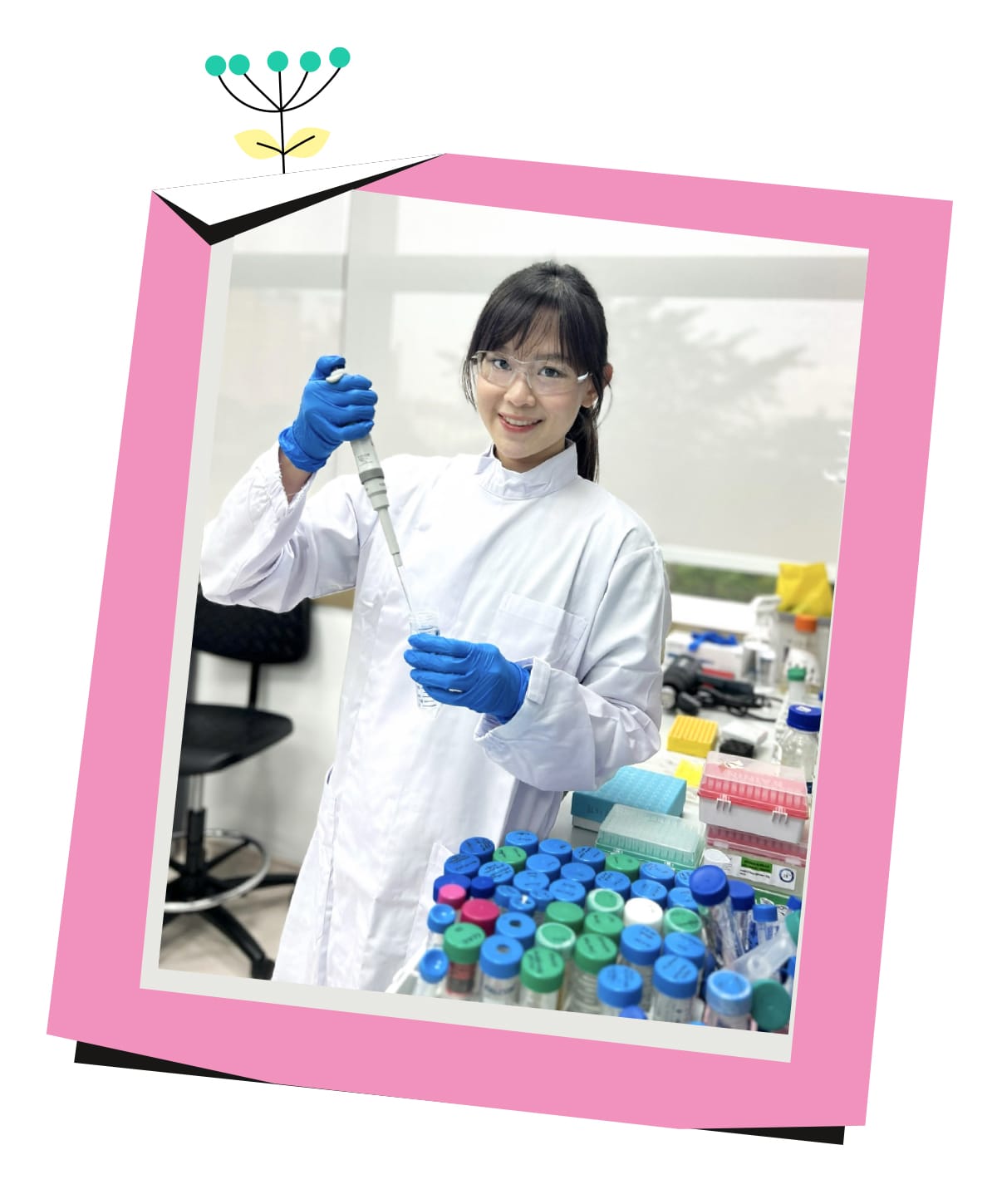
Joyce Tay is a A*STAR Graduate Scholar. She is a Scientist at the Agency for Science, Technology and Research (A*STAR).
Designing Tech That Changes Lives
At A*STAR’s Bioprocessing Technology Institute, Joyce designs biocompatible materials for RNA-based therapeutics and other biomedical applications. She collaborates with partners to translate research into practical healthcare solutions.
What first drew you to your field?
My interest began long before I understood the science behind it. Growing up, I saw people close to me undergo cancer treatments and wished therapies could be gentler and more targeted — treating the disease without overwhelming the person. That early hope led me towards research that brings together chemistry, biology, and medicine, particularly in developing targeted therapeutic delivery systems to guide drugs or genetic material to the right cells with greater precision and less harm. When the COVID-19 pandemic hit in 2020, it reinforced the importance of these delivery platforms and preparedness for future “Disease X,” strengthening my commitment to advancing RNA therapeutics today.
Which project or accomplishment are you most proud of?
Securing my first research grants was a major milestone. I’ve always seen a grant as more than just funding — to me, it represents confidence in the work I’ve done so far and in the direction I’m charting ahead. Receiving that support gave me a stronger sense of clarity and assurance in my scientific vision, and it allowed me to delve deeper into the RNA delivery questions I’ve been eager to explore. It felt like an important step toward shaping my own research path.
What’s a personal strength or trait you discovered through your journey?
I didn’t expect to become so comfortable with being a beginner. In a fast-moving field like RNA therapeutics, you’re constantly learning something new — a technique, a concept, or an entirely different way of thinking. What once felt intimidating has become something I genuinely embrace. Starting from scratch taught me that growth comes from openness, not certainty. This mindset has also shaped the way I lead. Being unafraid to learn alongside others makes it easier for people to approach me, ask questions, and experiment without fear of being judged, which creates a more collaborative environment.
What advice would you give to young women considering a career in STEM?
Give yourself permission to lead, even if you’re the only woman in the room. Step into roles that challenge you — your ideas and perspective can shape a team in ways you may not expect. Protect your curiosity and surround yourself with people who help you grow. STEM becomes far more meaningful when you have a community that supports you, challenges you, and celebrates your progress. As the field evolves, don’t be afraid to reinvent yourself; exploring new directions is not uncertainty but growth. Finally, be intentional with your energy — focusing on what truly matters will keep you grounded, motivated, and excited about the path you’re building.